

IGF-1 LR3: Research Uses, Properties, and Safety Information
What Is IGF-1 LR3?
IGF-1 LR3 (Insulin-Like Growth Factor-1 Long R3) is a modified analog of naturally occurring insulin-like growth factor-1. Researchers developed this variant to exhibit an extended half-life compared with native IGF-1, making it useful in laboratory investigations involving cell growth, tissue regeneration, and metabolic signaling.
IGF-1 LR3 is intended for laboratory research purposes only. It is not approved by the U.S. Food and Drug Administration (FDA) for human therapeutic use, and there is limited clinical evidence supporting its safety or effectiveness outside controlled research settings.
Understanding How IGF-1 LR3 Works
IGF-1 LR3 binds to insulin-like growth factor receptors and activates cellular signaling pathways involved in:
- Cell proliferation
- Protein synthesis
- Tissue development
- Muscle cell research
- Metabolic regulation
- Regenerative biology studies
Its modified amino acid sequence helps reduce binding to IGF-binding proteins, increasing its activity duration in laboratory models.
Common Areas of Research
Scientists have investigated IGF-1 LR3 in studies involving:
- Skeletal muscle biology
- Tissue regeneration
- Cellular repair mechanisms
- Growth factor signaling
- Endocrine research
- Aging and metabolism research
- Exercise physiology
These investigations remain primarily experimental and should not be interpreted as evidence of established medical benefits.
Important Safety Considerations
One of the critical aspects of IGF-1 LR3 research is understanding its potential risks.
Researchers have noted concerns including:
- Altered glucose metabolism
- Increased cell proliferation
- Potential hormonal disruption
- Unknown long-term effects
- Risk of misuse outside laboratory settings
Because IGF-1 LR3 influences pathways involved in cell growth, improper use could carry significant health risks.
Regulatory Status in the United States
In the United States:
- IGF-1 LR3 is generally marketed as a research chemical.
- It is not FDA-approved as a medication for human use.
- Products labeled for research should only be handled by qualified professionals in appropriate laboratory environments.
Consumers should exercise caution when evaluating information online, as many marketing claims are not supported by high-quality clinical evidence.
Research Quality Matters
Laboratories evaluating research peptides often consider factors such as:
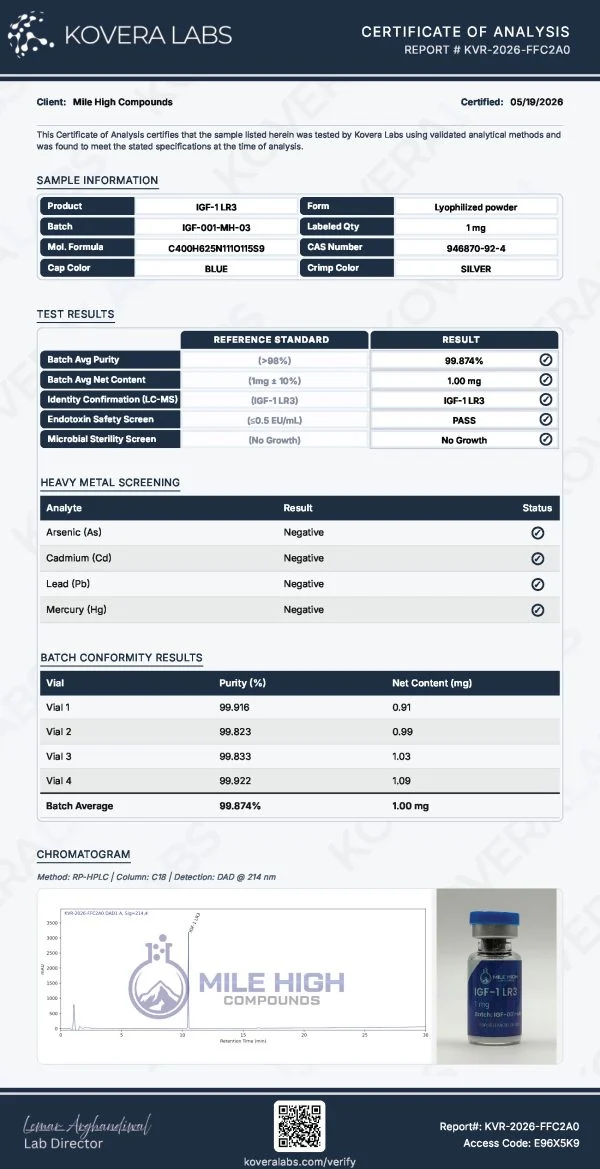
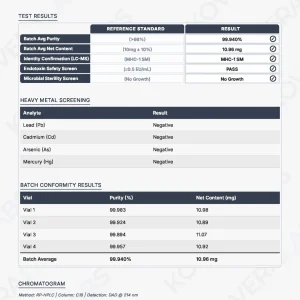
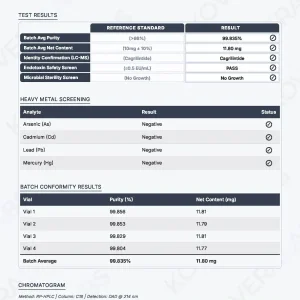
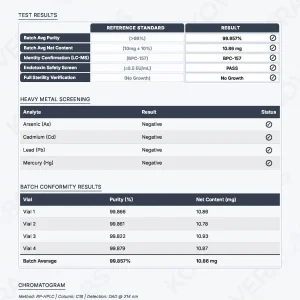
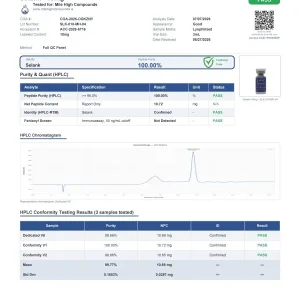
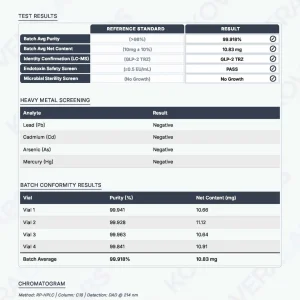
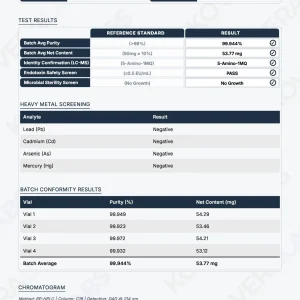
- Certificate of Analysis (COA)
- Third-party analytical testing
- Purity verification
- Proper storage recommendations
- Batch consistency
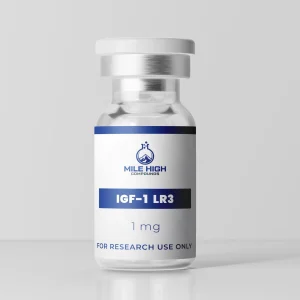
- Professional labeling
- Secure packaging
These characteristics help support reproducible laboratory research but do not establish safety for human use.
Frequently Asked Questions
Is IGF-1 LR3 FDA approved?
No. IGF-1 LR3 is not approved by the FDA for treating or preventing disease in humans.
Can IGF-1 LR3 be used as a medicine?
Current regulatory guidance does not approve IGF-1 LR3 as a prescription medication.
Why is IGF-1 LR3 popular in research?
Its extended biological activity makes it useful for studying insulin-like growth factor signaling and related biological mechanisms.
What should researchers look for?
Researchers commonly seek:
- High purity
- Verified laboratory testing
- Reliable documentation
- Proper handling procedures
- Professional packaging
Final Thoughts
IGF-1 LR3 continues to be an important compound in scientific research exploring growth factor biology, metabolism, and tissue development. While laboratory interest remains high, it is essential to recognize that the compound is not approved for human use, and claims regarding performance enhancement or medical benefits should be viewed with caution unless supported by robust clinical evidence.
Researchers should prioritize high-quality documentation, analytical verification, and compliance with applicable regulations when sourcing research materials.
Be the first to review “IGF-1 LR3”
Related products
Reviews
There are no reviews yet.