

Epithalon: Research Overview, Applications, and Laboratory Information
Epithalon Research Overview
Epithalon is a synthetic tetrapeptide that has attracted scientific interest for its potential role in cellular aging, telomere biology, and longevity-related research. Originally developed as an experimental compound, Epithalon continues to be investigated in laboratory settings for its interactions with biological pathways associated with cellular maintenance and aging.
Researchers continue exploring Epithalon in preclinical studies to better understand its mechanisms and potential applications. While scientific interest remains high, Epithalon is not approved by the U.S. Food and Drug Administration (FDA) for the diagnosis, treatment, cure, or prevention of any disease, and its use should remain limited to qualified laboratory research.
What Is Epithalon?
Epithalon, sometimes referred to as Epitalon, is a synthetic peptide consisting of four amino acids. Scientists have investigated the compound because of its potential interaction with telomerase activity and cellular aging processes.
Research has explored several biological areas, including:
- Cellular aging
- Telomere biology
- Circadian rhythm regulation
- Oxidative stress
- Cellular repair mechanisms
- Longevity science
Although these areas remain active fields of research, current evidence does not establish therapeutic effectiveness in humans.
Current Research Areas
Scientists continue studying Epithalon for several experimental purposes.
Cellular Aging Research
One of the most recognized areas of Epithalon research involves cellular aging. Laboratory investigations evaluate how peptide compounds may influence cellular lifespan and maintenance mechanisms.
Telomere Studies
Researchers have examined whether Epithalon affects telomerase-related pathways. Telomeres naturally shorten as cells divide, making this an important area of aging research.
Circadian Rhythm Investigation
Experimental models have also explored possible interactions between Epithalon and biological clock regulation, providing insights into sleep and circadian biology.
Oxidative Stress Research
Oxidative stress remains an important focus in longevity science. Researchers continue investigating whether peptide compounds influence oxidative balance under laboratory conditions.
Important Research Information
Epithalon is intended exclusively for laboratory research conducted by qualified professionals.
Researchers should follow all institutional guidelines regarding:
- Proper laboratory handling
- Safe storage
- Experimental documentation
- Quality control procedures
- Research compliance
This compound should not be considered a medication or dietary supplement.
Quality Considerations
When selecting research materials, laboratories typically evaluate several important characteristics, including:
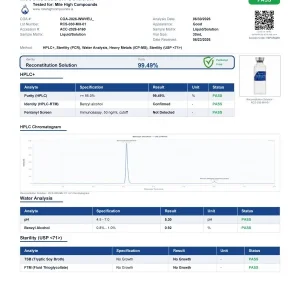
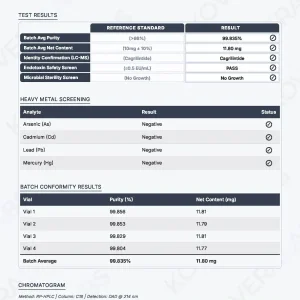
- Certificate of Analysis (COA)
- Third-party analytical testing
- High purity standards
- Proper packaging
- Reliable manufacturing practices
- Batch consistency
Maintaining rigorous quality standards supports reproducible scientific research.
Why Researchers Study Epithalon
Interest in Epithalon continues because of its association with several emerging areas of biological research.
Scientists investigate:
- Healthy cellular function
- DNA integrity
- Cellular signaling
- Biological aging
- Experimental longevity models
- Molecular biology
Although these research areas are promising, additional studies are necessary before drawing conclusions regarding clinical applications.
Safety Notice
Epithalon remains an investigational research compound.
Current scientific literature does not support marketing Epithalon as a treatment for medical conditions. Researchers should interpret available data carefully and recognize the limitations of preclinical findings.
The FDA has not approved Epithalon for medical use in the United States.
Frequently Asked Questions
Is Epithalon FDA approved?
No. Epithalon has not received FDA approval for medical use in the United States.
Can Epithalon be used as medicine?
No. Current evidence does not support the use of Epithalon as an approved medication.
What is Epithalon primarily used for?
Its primary role is in laboratory and scientific research involving aging biology, telomere research, and cellular function.
Is more research needed?
Yes. Continued scientific investigation is necessary to better understand the compound and its biological properties.
Conclusion
Epithalon remains an important subject of ongoing scientific research because of its potential relevance to cellular aging, telomere biology, and longevity science. While the peptide continues to generate interest among researchers, it is essential to recognize that available evidence does not establish clinical benefits, and the compound is not FDA-approved for therapeutic use. Responsible laboratory handling, quality sourcing, and adherence to research standards are critical for advancing scientific understanding.
Be the first to review “Epithalon”
Related products
Reviews
There are no reviews yet.